
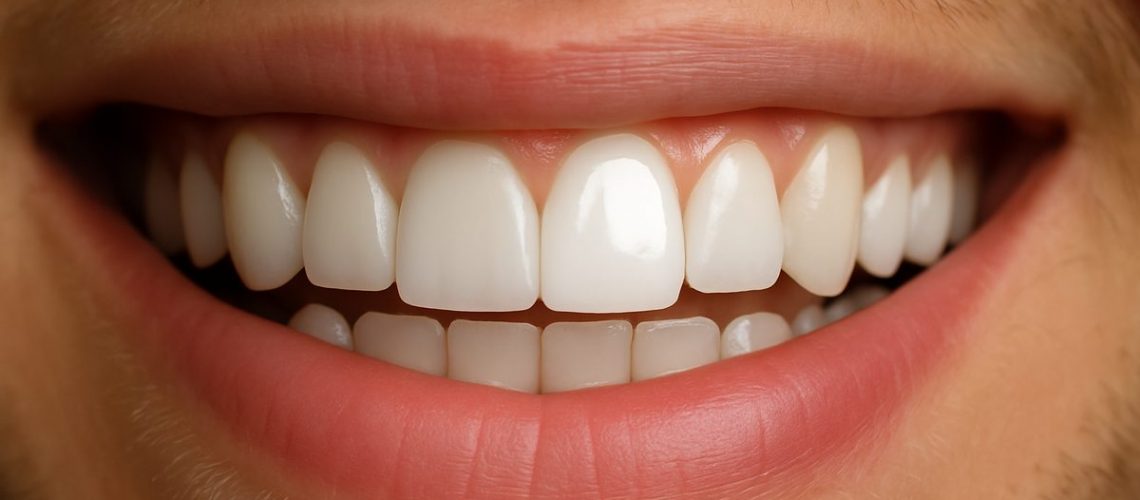
Many patients ask about the cost of one veneer in St. Charles, IL because veneers are a popular way to fix chips, stains, and odd shapes quickly. The short answer: prices vary widely based on materials, lab work, and the condition of the tooth. Below is a clear, practical explanation of what affects the cost of one veneer and how to plan for it.
What Is A Veneer?
A veneer is a thin shell—usually porcelain, ceramic, or composite—that bonds to the front of a tooth to change its color, shape, or size. Veneers hide chips, deep stains, small gaps, and mild misalignment. Unlike a crown, a veneer covers only the front surface of the tooth. Compared with bonding, veneers are more durable and stain-resistant, but they usually cost more and require lab or milling work.
What Determines The Cost Of One Veneer
Material choice
The material you choose is one of the biggest price drivers:
- Composite veneers: least expensive, placed directly in the office, lower durability and more prone to staining.
- Porcelain veneers: most common; natural-looking, durable, and stain-resistant but cost more.
- Premium ceramics (e.max, zirconia): higher-strength, ultra-aesthetic options that sit at the top of the price range.
Laboratory and fabrication
Lab-made veneers require a skilled technician and custom shading. That lab expertise raises the cost of one veneer. Same-day CEREC or in-office milled veneers can cut lab fees and speed treatment, but the clinic needs the right equipment and experience—those capabilities affect price too.
Preparation and tooth work
Some teeth need more work before a veneer can be placed. If the dentist must remove enamel, place a buildup, fit a temporary veneer, or do gum shaping, those steps add to the final price. Complex prep and bonding increase the cost of one veneer compared to a straightforward case.
Number and complexity of teeth
Single veneers often cost more per tooth than doing several at once because lab setup and shade matching create fixed costs. If you’re only doing one front tooth, expect a higher per-tooth rate than someone restoring a full smile line.
Location and provider experience
Local market rates, dentist training, and use of advanced tech (3D imaging, digital shade-matching, sedation) influence the cost of one veneer in St. Charles, IL. Dentists with specialty training or a strong cosmetic portfolio typically charge more but may deliver more predictable results.
Typical Price Range For The Cost Of One Veneer
Ranges can differ by region and provider, but typical U.S. ranges are:
- Composite veneer: $200–$700 per tooth
- Standard porcelain veneer: $900–$2,000 per tooth
- Premium ceramic or top-tier porcelain (custom lab, e.max/zirconia): $1,500–$3,000+ per tooth
Cases reach the high end when advanced shading, multiple prep visits, or significant restorative work are needed.
Hidden Costs To Watch For
Consultation and imaging
Initial exam, X-rays, and 3D scans may be billed separately or included. These steps are important for a proper plan but add to the overall cost.
Temporary restorations and follow-ups
Temps, adjustments, and extra follow-up visits can add fees—especially if you need bite adjustments or corrections after placement.
Possible preparatory work (whitening, orthodontics, gum shaping)
Teeth whitening, minor orthodontic work, or gum recontouring may be recommended so the veneer matches the smile. Those services increase the total investment beyond the cost of one veneer.
How To Make The Cost Of One Veneer More Affordable
- Ask about financing options, third-party plans, or in-house payment plans.
- Check your dental insurance—cosmetic veneers are often not covered, but some restorative cases may qualify.
- Consider composite veneers as a lower-cost, short-term option while you plan for porcelain.
- Combine treatment with family members or multiple veneers at once to lower per-tooth lab fees.
Is One Veneer Worth It? Longevity, Care, And Return On Investment
Porcelain veneers typically last 10–15 years with good care; premium materials can last longer. They resist stains and provide a natural look. Veneers are worth it when you want a long-term cosmetic improvement for a front tooth. If the tooth needs full coverage for strength, a crown may be a better restorative choice.
Common Questions Patients Ask About The Cost Of One Veneer
Will insurance pay? Often no for purely cosmetic cases, but restorative reasons may be partially covered. Check your plan.
How long until I see final results? Lab-made veneers usually take 1–3 weeks between prep and final placement; same-day options exist if available.
Can veneers be replaced? Yes. They can be removed and replaced, but replacement costs apply.
Are they painful? Most patients report minimal discomfort. Local anesthetic is used during prep, and sensitivity usually fades.
About Core Dental Of St. Charles
Core Dental of St. Charles has provided family-focused care for over 35 years. The practice offers porcelain veneers and uses 3D digital imaging and trusted lab partnerships to create predictable, natural results. Dr. Christopher Doran and Dr. Claire Sheehan bring advanced training and a conservative, patient-first approach to cosmetic and restorative care.
Next Steps If You’re Considering A Veneer
If you want a personalized estimate for the cost of one veneer in St. Charles, IL, schedule a consult to review your smile, materials, and any preparatory needs. Core Dental offers flexible financing, third-party plans, and an in-house option to help make treatment affordable. A short exam and imaging will give you a clear price and timeline tailored to your case.